Pool fencing regulations in Queensland require every pool to have a compliant safety barrier that meets strict height, gate, and non-climbable zone standards to prevent access by young children and reduce drowning risks. Still dealing with unreliable tradies or confusing rules? Here’s how to get a compliant pool fence done right the first time without stress, delays, or costly mistakes.
Overview of Pool Fencing Regulations in Queensland
Pool fencing laws in Queensland are governed by a combination of the Building Act 1975, Building Regulation 2021, and the Queensland Development Code MP 3.4, which references AS1926 Australian standards for swimming pool barriers.
At a practical level, this means:
- Every pool or spa must have a compliant barrier or fence
- The barrier must restrict unsupervised access by children
- The fence must be maintained at all times, not just at installation
- Rules apply to in-ground, above-ground, indoor, and portable pools
According to official guidance, if your fence is damaged or non-compliant, it must be repaired immediately to maintain safety and legal compliance .
This is not optional. It is a legal requirement enforced across Brisbane, Ipswich, and the Gold Coast.
Why Pool Fencing Laws Are Strictly Enforced
Pool fencing laws exist for one core reason: to prevent drowning.
Drowning remains one of the leading causes of accidental death for young children in Australia. Most incidents happen in residential pools where barriers fail due to poor maintenance or incorrect installation.
Common failure points include:
- Gates not self-closing or self-latching
- Fence height dropping below required levels
- Climbable objects placed too close to the barrier
- Gaps or openings allowing access
These are not rare edge cases. They are everyday problems inspectors see.
Strict enforcement ensures:
- Children cannot access pool areas unsupervised
- Property owners take responsibility for safety
- Fences remain compliant long after installation
If you think all fencing is the same, that mistake can cost lives.
Minimum Fence Height and Barrier Requirements
One of the most important rules is the minimum fence height.
Key Height Requirements:
| Requirement | Standard |
| Minimum fence height | 1200mm |
| Maximum gap under fence | 100mm |
| Maximum gap between verticals | 100mm |
The height is measured from the finished ground level, which means:
- Raised garden beds can reduce effective height
- Landscaping changes can make a fence non-compliant over time
This is where many homeowners fail inspections.
If you want a fence that actually lasts years, it must be built with future conditions in mind, not just the day it’s installed.
Pool Gate Rules and Self-Closing Mechanisms
Pool gates are the most common failure point in inspections.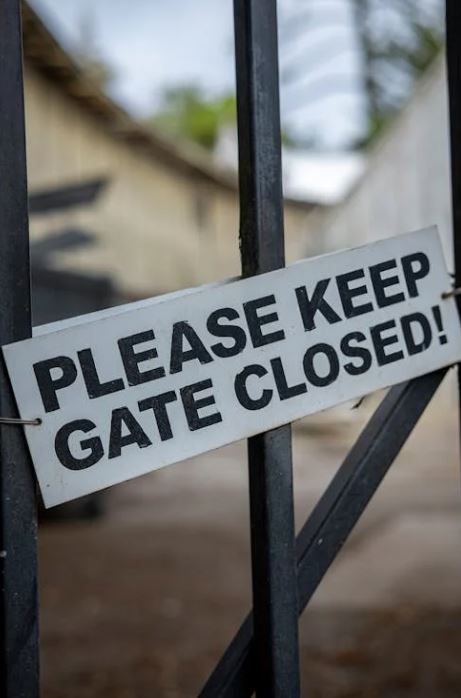
Mandatory Gate Rules:
- Must open outward (away from pool area)
- Must be self-closing from any position
- Must be self-latching automatically
- Latch must be positioned at compliant height
If a gate sticks, drags, or doesn’t close properly, it is considered non-compliant.
This is why cheap hardware causes long-term problems. Hinges and latches wear out quickly if low quality materials are used.
A properly installed gate should:
- Close smoothly every time
- Latch without manual assistance
- Require no adjustment under normal conditions
Anything less is a risk.
Approved Materials for Pool Fencing
Not all materials are suitable for pool fencing under Queensland regulations.
Common Approved Materials:
- Glass panels (frameless or semi-frameless)
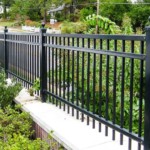
- Aluminium fencing
- Steel fencing
- Timber (with strict conditions)
Each material must meet:
- Structural integrity requirements
- Non-climbable surface conditions
- Gap and spacing standards
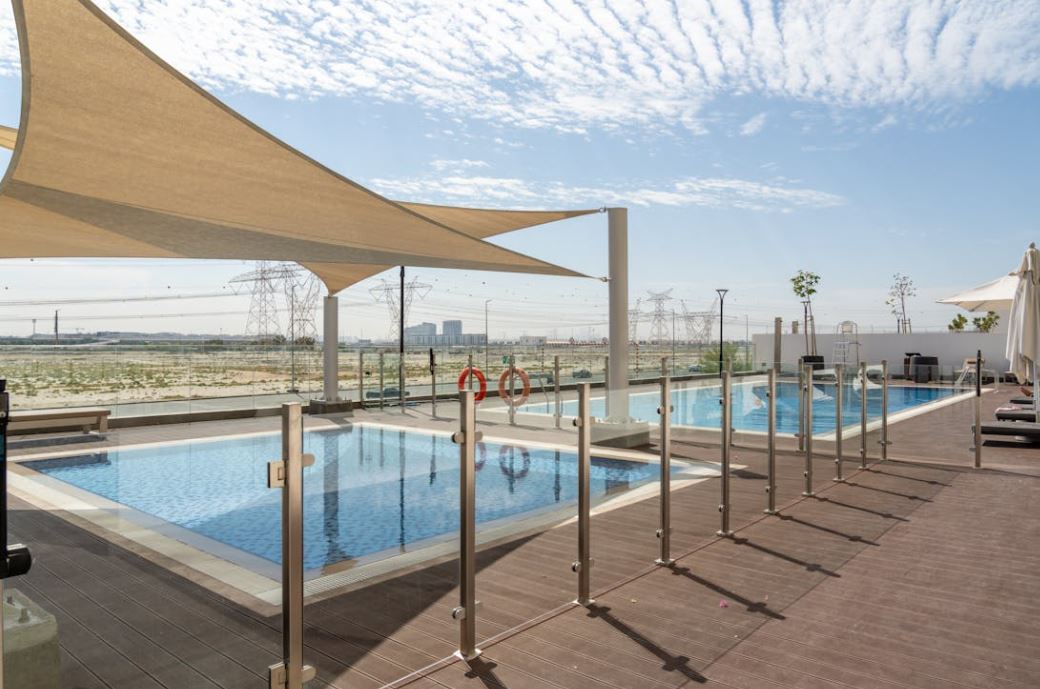
Glass fencing is popular for modern homes due to visibility and aesthetics, but it must still comply with all safety standards.
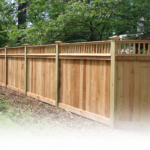
Timber fences can be used, but horizontal rails often create climb risks if not properly designed.
Boundary Fences vs Pool Barriers Explained
Many properties use a boundary fence as part of the pool barrier.
This is allowed, but it comes with shared responsibility.
If your fence borders a neighbour:
- Both parties may share responsibility for maintenance
- The fence must still meet pool barrier standards
- Any modifications must maintain compliance
This is where issues arise. A standard dividing fence is not automatically a compliant pool barrier.
You must ensure:
- No climbable rails on the external side
- Correct height is maintained
- No gaps or access points exist
Non-Climbable Zones and Safety Distances
The Non-Climbable Zone (NCZ) is one of the most misunderstood parts of pool fencing regulations.
NCZ Basics:
- A 900mm zone around the fence must be free of climbable objects
- Applies to both inside and outside the barrier
- Includes trees, furniture, structures, and fixtures
Examples of non-compliant objects:
- Outdoor furniture
- Pot plants
- BBQs
- Tree branches
Even a small object can allow a child to climb over the fence.
This is not a one-time check. You must maintain the NCZ continuously.
Inspection, Certification and Compliance Process
If you’re selling or leasing your property, you must obtain a pool safety certificate.
The Process:
- Book a licensed pool safety inspector
- Conduct a full compliance inspection
- Receive certificate or non-conformity notice
- Fix issues within specified timeframe
- Re-inspection and approval
Inspectors assess:
- Fence height and structure
- Gate functionality
- NCZ compliance
- Gaps and openings
- Overall safety
Failure means delays, additional costs, and potential legal issues.
Common Reasons Pools Fail Inspection
Most inspection failures come down to preventable issues.
Top 5 Reasons for Failure:
- Gates not self-closing or latching
- Fence height below 1200mm
- Climbable objects within NCZ
- Gaps exceeding allowed size
- Poor maintenance or damage
These are not complex problems. They happen because of:
- Poor installation
- Cheap materials
- Lack of ongoing maintenance
Over 70% of homeowners regret choosing the cheapest quote for this exact reason.
Penalties for Non-Compliance in Queensland
Failing to comply with pool fencing laws can result in serious penalties.
Potential Consequences:
- On-the-spot fines
- Legal notices requiring immediate repairs
- Delays in selling or leasing property
- Increased liability in case of accidents
Beyond fines, the real cost is risk.
Non-compliance puts children in danger. That is why enforcement is strict.
Rules for Existing vs New Pools
There is an important distinction between existing pools and new pools.
Existing Pools:
- May comply with older standards
- Must be upgraded when property is sold or leased
New Pools:
- Must meet current standards immediately
- Require full compliance before being filled with water
This is where many homeowners get caught out.
If you are planning a new pool or upgrading fencing, you must follow the latest regulations.
How to Ensure Your Pool Fence Is Compliant
If you want to avoid costly mistakes, follow this simple checklist.
Compliance Checklist:
- Fence height is at least 1200mm
- No gaps greater than 100mm
- Gate self-closes and self-latches
- No climbable objects within 900mm
- Fence is structurally sound
- Materials meet Australian standards
Simple 3 Step Process
Step 1: Check Your Fence Look at height, gaps, and gate function
Step 2: Clear the NCZ Remove climbable objects around the barrier
Step 3: Book an Inspection Get a licensed inspector to confirm compliance
This approach keeps things simple and avoids surprises.
Hiring a Professional for Pool Fence Installation
Not the cheapest, but done right the first time.
Hiring a professional fencing contractor makes a major difference in compliance and long-term durability.
What to Look For:
- Licensed and insured tradespeople
- Experience with pool fencing regulations
- High-quality materials
- Clear communication and timelines
- Full clean-up after installation
A professional will:
- Ensure compliance with all regulations
- Install reliable gate systems
- Prevent common inspection failures
- Deliver a clean, stress-free experience
This is exactly what True Blue Fencing focuses on. Quality work, done properly, without the usual headaches homeowners deal with.
FAQs About Pool Fencing Regulations
Do all pools need a fence in Queensland?
Yes. All regulated pools must have a compliant safety barrier.
Can I install my own pool fence?
DIY is allowed, but you must meet all regulations and pass inspection. Most failures come from incorrect installation.
How often should I check my pool fence?
Regularly. Gates, hinges, and latches should be checked frequently to ensure proper function.
What happens if my fence is damaged?
You must repair it immediately to maintain compliance and safety .
Are indoor or portable pools included?
Yes, many portable and indoor pools still require compliant barriers depending on size and depth.
Avoid Costly Compliance Mistakes Before They Happen
Pool fencing regulations in Queensland are strict for a reason. They protect lives.
If you want a fence that actually lasts years, avoids compliance issues, and keeps your property safe, the key is simple:
- Use quality materials
- Follow the correct standards
- Work with professionals who know the regulations
At True Blue Fencing, the goal is not to be the cheapest. It is to do the job properly, safely, and with zero stress for homeowners.
If you are planning a pool fence or need help bringing your current fence up to standard, get in touch and get it sorted the right way the first time.